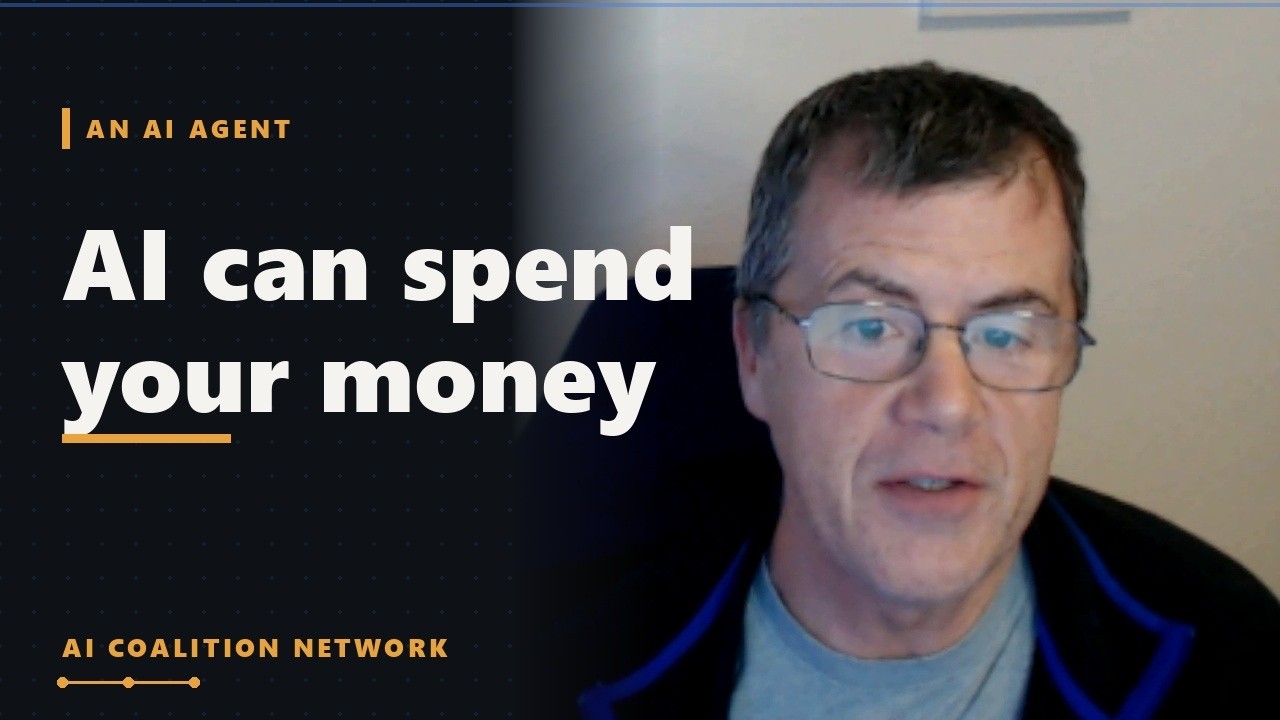
10 AI Ethics Stories You Need to Know - September 9, 2026
Would you let an AI agent send your email, do your shopping, or make a payment for you? That question opens today's AI ethics briefing: ten stories on AI agents, AI-powered cyberattacks, copyright, AI safety, energy use and the European Union AI Act. Plain language, no jargon, no hype.
James Henderson walks through what was reported, what is still only alleged, and what you can actually do about it - from setting a spending limit on an AI agent to setting a family password before a scam call arrives.
CHAPTERS
The hook: AI can act for you
Today's ten stories
1 - AI agents and personal access
2 - AI-powered cyberattacks
3 - The fight over copying AI models
4 - Copyright and AI training
5 - A safety researcher resigns
6 - Monitoring autonomous agents
7 - AI and scientific research
8 - The energy cost of AI
9 - Journalism and AI
10 - European AI regulation
Who is responsible when AI affects a person?
Five questions to ask before trusting AI
Your turn, and where to find us
WHAT THIS EPISODE COVERS
1. A personal AI agent, attributed on tape to Meta, that can send email, manage a schedule, shop, book travel and make payments - and why access should be the smallest it can be
2. Google Threat Intelligence Group on AI-powered cyberattacks, and why a phishing message no longer has bad grammar
3. US agencies allege that several Chinese AI companies improperly copied abilities from American models through "model distillation". Chinese officials deny this. These are allegations, not proven facts
4. The OpenAI and Microsoft copyright case involving The New York Times and several authors - can models be trained on copyrighted books and news without permission?
5. An AI safety researcher resigned from Anthropic and warned that the race between AI laboratories could put humanity at risk. That is his opinion based on his experience, not proof of what will happen
6. Whether people can still monitor what a powerful AI agent actually did - attributed on tape to OpenAI - and why a good final result does not prove every action was safe
7. A claimed mathematics breakthrough, and a question raised about whether unpublished private research helped. OpenAI denies misusing the research. Both the claim and the concern need independent review
8. Google's announced AI infrastructure investment in Finland, and the electricity, water, land and community cost behind every AI system
9. The Society of Professional Journalists considering AI updates to its ethics code, and who is responsible when AI invents a fact
10. The European Union AI Act and its risk-based rules now being enforced
FIVE QUESTIONS TO ASK BEFORE YOU TRUST AN AI SYSTEM
1. What can it access?
2. What actions can it take?
3. Who could be harmed?
4. How will we know what it did?
5. Who can stop it when something goes wrong?
A NOTE ON ACCURACY
This is a plain-language briefing on stories reported elsewhere. Only the organisations named on air are named here. Allegations are described as allegations, and opinions as opinions - not as settled fact. Please check the primary reporting before relying on any detail.
Tell us in the comments: would you trust an AI agent to access your email or make a payment for you? Why or why not? Keep the conversation respectful - AI ethics includes many viewpoints.
Subscribe to the AI Coalition Network for practical education about responsible artificial intelligence.
More on responsible AI: AI-Coalition.net
#AIEthics #ArtificialIntelligence #AIAgents
More episodes
All videos 11:49
New York's New AI Chatbot Law for Kids + 3 Things to Check on Any AI Tool
Oct 29, 2026
28 views
 23:58
AI Cyberattacks Explained: What’s Real + 5 Ways to Protect Yourself
Oct 28, 2026
174 views
 49:30
Before You Bid on a Government Contract, Watch This (Real RFP + AI)
Oct 27, 2026
10 views
 25:20
The Dark Side of AI: 10 Threats Everyone Should Understand
Oct 27, 2026
31 views
 18:25
AI Agents, Website Security & Wall Street: 10 AI Stories Explained
Oct 25, 2026
22 views
 22:45
Who's in Control of AI? 10 AI Stories Explained (Oct. 24, 2026)
Oct 24, 2026
19 views